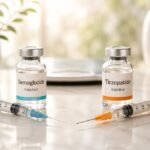

Injectable weight-loss treatments have changed the way many individuals approach weight management. While results vary, understanding what to expect can help set realistic goals and improve the overall experience.
How these treatments fit into a Weight-Loss Plan
Injectable treatments are designed to support — not replace — healthy habits. They work best when combined with:
- Balanced nutrition
- Regular physical activity
- Long-term lifestyle changes
Consistency and patience are key.
Common side effects
Some individuals experience mild to moderate side effects, particularly during the early stages of treatment.
Commonly reported effects may include:
- Nausea
- Digestive discomfort
- Temporary appetite changes
Most side effects improve as the body adjusts, especially when dosing is managed carefully.
Tips for a better experience
To support your journey:
- Follow provider instructions closely
- Stay hydrated
- Eat smaller, nutrient-dense meals
- Communicate any concerns promptly
These steps can help improve comfort and outcomes.
Why results vary
Weight-loss results differ based on factors such as:
- Metabolism
- Lifestyle habits
- Adherence to treatment
- Individual health history
There is no guaranteed outcome, and progress should be viewed as a gradual process.
The importance of medical oversight
Licensed providers help ensure:
- Safe use of medication
- Appropriate eligibility screening
- Ongoing monitoring and guidance
This professional support is essential for both safety and success.
Injectable weight-loss treatments can be effective tools when used responsibly and under medical guidance. Understanding expectations, prioritizing safety, and maintaining healthy habits can help individuals achieve sustainable progress over time.